
Family Problems: Causes, Types, and Effective Ways to Resolve Them
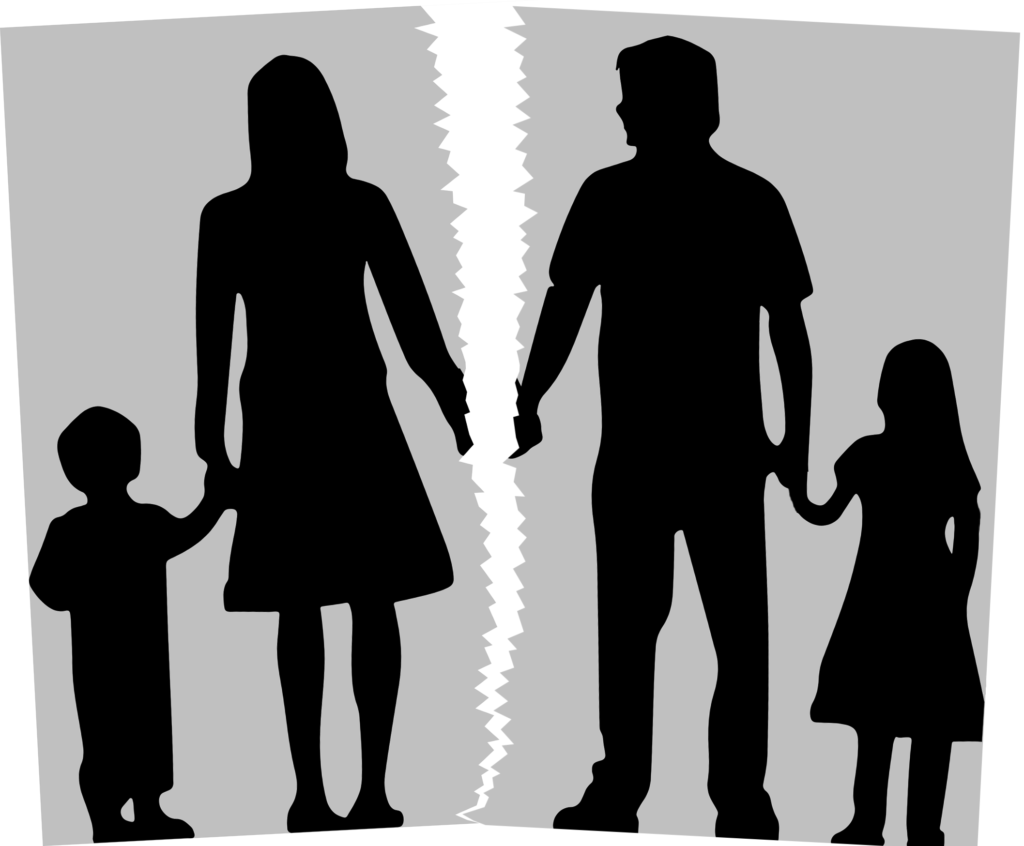
Family problems are among the most difficult challenges that families may face. They represent a state of dysfunction or conflict within the family, which may affect one individual or the family as a whole, resulting in instability, tension, and disruption.
It is widely recognized that many of the psychological, mental, emotional, and social difficulties individuals experience can be linked to problems within the family environment.
So, what are family problems? What are their causes, types, and principles for resolving them? Let’s explore these questions together in this article.
What Are Family Problems?
As mentioned above, problems between family members refer to a state of tension, conflict, or disruption between individuals. This behavior may originate from one family member or involve several members of the family.
Frequent disagreements and arguments between parents, between siblings, or between parents and children can create an unstable family environment. Over time, this may weaken mutual respect, family bonds, and the sense of belonging within the family.
What Causes Family Problems?
One of the main causes of conflict within families is the difference in the ways family members think, their personal desires, interests, and expectations.
However, it is important to understand that differences are a natural part of healthy relationships. Strong relationships are not necessarily based on similarity, but rather on understanding and respecting differences.
Men and women may differ significantly in their psychological and physical characteristics, and a lack of awareness and understanding of these differences can contribute to conflicts that negatively affect the entire family.
Other Causes of Family Problems Include:
- Social changes and pressures.
- Lack of awareness regarding the different stages of human development.
- Emotional and intellectual differences.
- Financial and economic pressures.
- The influence of friends and relatives.
Types of Family Problems
Family problems can be classified into several categories, including:
- Emotional and psychological problems.
- Cultural problems.
- Economic problems.
- Health-related problems.
- Social problems.
- Problems related to social roles and responsibilities.
You may also be interested in this article: The Successful Educator: Tools and Methods – International Digital Academy
What Are the Principles of Solving Family Problems?
There are five basic principles that can contribute effectively to resolving conflicts within the family, particularly challenges involving children:
- Identify the causes of the problem: Determine the source of negative emotions in the child’s life, such as frustration or repeated criticism.
- Clearly define the problem: Help the child understand the actual problem and make an effort to identify its underlying causes.
- Encourage the child to find solutions: Help the child organize their thoughts and participate in finding possible solutions.
- Create a plan: Developing a clear plan can be particularly effective with children. When a child is told that there is a plan, they are often more motivated to participate and make an effort.
- Express appreciation and praise: Recognizing both effort and success is an essential principle when solving family problems involving children.
How Can Family Conflicts Be Resolved?
There are several effective approaches that can help families resolve conflicts, including:
- Establishing basic rules for discussing problems and finding solutions.
- Using brainstorming techniques to encourage everyone to share their ideas and possible solutions.
- Evaluating the benefits, disadvantages, and potential risks of each proposed solution.
- Negotiating as a team to reach a mutually acceptable solution.
- Assigning responsibilities to each family member as part of implementing the agreed-upon solution.
Conclusion
As we have explored throughout this article, family is the foundation of an individual’s growth, development, and success. It provides support, stability, and encouragement during life’s challenges.
Every family member has a role to play in maintaining a healthy and supportive family environment. Instead of allowing conflicts to become obstacles in your life, work together to protect your family relationships and build a stronger future.
If you are interested in family development and leadership, we recommend our specialized training program:

Leave a Reply