

Family Conflict Resolution: Causes and Practical Steps
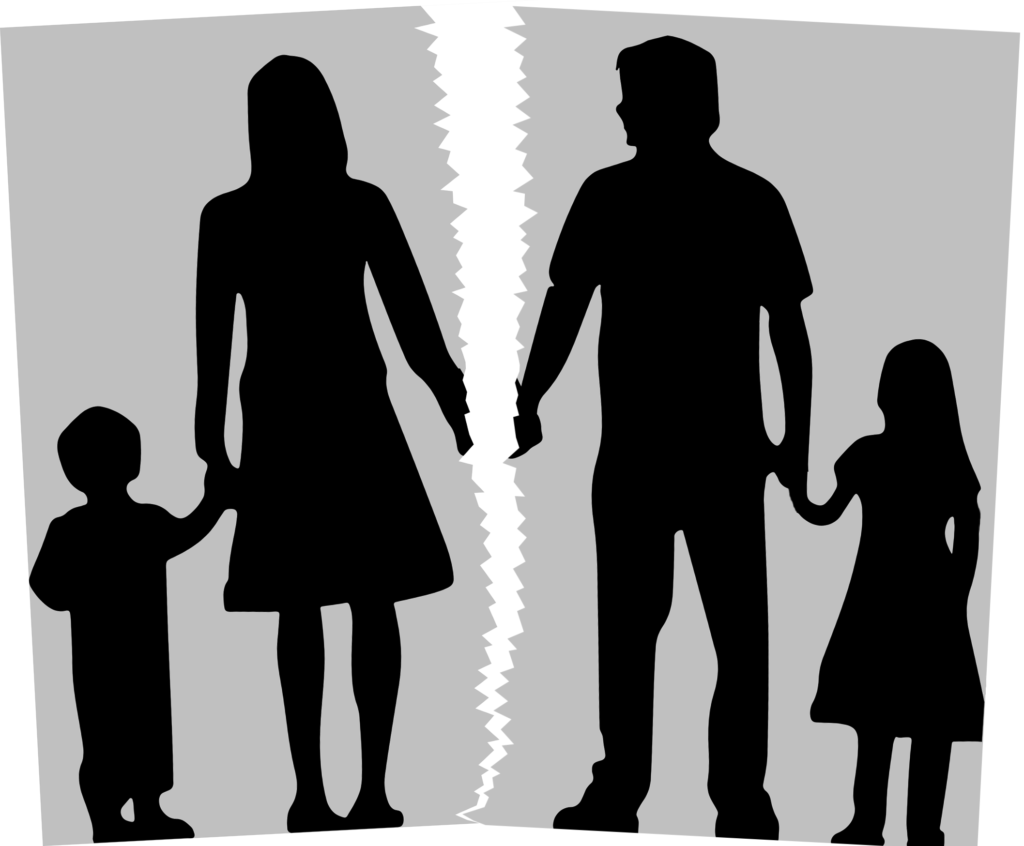
Family problems are among the most difficult challenges that families may face. They represent a state of dysfunction or conflict within the family, which may affect one individual or the family as a whole, resulting in instability, tension, and disruption.
Repeated tension can make daily routines, communication, and family relationships more difficult. However, the causes and effects of conflict vary from one family to another, so it is important not to assume a single explanation.
So, what are family problems? What are their causes, types, and principles for resolving them? Let’s explore these questions together in this article.
What Are Family Problems?
As mentioned above, problems between family members refer to a state of tension, conflict, or disruption between individuals. This behavior may originate from one family member or involve several members of the family.
Frequent disagreements and arguments between parents, between siblings, or between parents and children can create an unstable family environment. Over time, this may weaken mutual respect, family bonds, and the sense of belonging within the family.
What Causes Family Problems?
One of the main causes of conflict within families is the difference in the ways family members think, their personal desires, interests, and expectations.
However, it is important to understand that differences are a natural part of healthy relationships. Strong relationships are not necessarily based on similarity, but rather on understanding and respecting differences.
In addition, differences in expectations, communication habits, or the distribution of family responsibilities can contribute to conflict. Therefore, it helps to discuss these differences openly rather than assume that every family member has the same needs or perspective.
Other Causes of Family Problems Include:
- Social changes and pressures.
- Lack of awareness regarding the different stages of human development.
- Emotional and intellectual differences.
- Financial and economic pressures.
- The influence of friends and relatives.
Types of Family Problems
Family problems can be classified into several categories, including:
- Emotional and psychological problems.
- Cultural problems.
- Economic problems.
- Health-related problems.
- Social problems.
- Problems related to social roles and responsibilities.
You may also be interested in this article: The Successful Educator: Tools and Methods – International Digital Academy
What Are the Principles of Solving Family Problems?
There are five basic principles that can contribute effectively to resolving conflicts within the family, particularly challenges involving children:
- Identify the causes of the problem: Determine the source of negative emotions in the child’s life, such as frustration or repeated criticism.
- Clearly define the problem: Help the child understand the actual problem and make an effort to identify its underlying causes.
- Encourage the child to find solutions: Help the child organize their thoughts and participate in finding possible solutions.
- Create a plan: Developing a clear plan can be particularly effective with children. When a child is told that there is a plan, they are often more motivated to participate and make an effort.
- Express appreciation and praise: Recognizing both effort and success is an essential principle when solving family problems involving children.
How Can Family Conflicts Be Resolved?
There are several effective approaches that can help families resolve conflicts, including:
- Establishing basic rules for discussing problems and finding solutions.
- Using brainstorming techniques to encourage everyone to share their ideas and possible solutions.
- Evaluating the benefits, disadvantages, and potential risks of each proposed solution.
- Negotiating as a team to reach a mutually acceptable solution.
- Assigning responsibilities to each family member as part of implementing the agreed-upon solution.
A practical five-step approach to family conflict resolution
Family conflict resolution begins by defining one specific disagreement rather than judging a person’s character. First, choose a time when everyone can speak safely and without interruption. Next, invite each person to describe what happened, what they need, and what they would like to change.
- Name the issue: describe a concrete event, such as disagreements over household tasks or a child’s screen-time routine.
- Listen and check understanding: summarize the other person’s concern before responding.
- Suggest options: generate two or three workable alternatives without forcing agreement.
- Agree on one small action: identify who will do what and when.
- Review the result: revisit the agreement after a reasonable period and adjust it if necessary.
For example, instead of saying ‘You never help,’ a family member could say, ‘I felt overwhelmed when the evening tasks were left unfinished. Can we agree on who does each task tomorrow?’ This focuses the discussion on a situation that can change. However, not every disagreement will be resolved in one conversation.
When is ordinary conflict-resolution advice not enough?
These communication steps are intended for disagreements in which people can participate safely. They are not a substitute for protection or professional support when there is violence, coercion, threats, or risk to a child. In those situations, prioritize safety and seek appropriate local protection services or qualified support rather than pressuring anyone into a joint discussion. See the World Health Organization’s safety guidance.
Frequently asked questions about family conflict
What is the first step in resolving a family disagreement?
Start by identifying one specific issue and choosing a safe, calm time to discuss it. Avoid labels about the other person’s character.
Are disagreements always a sign of an unhealthy family?
No. Differences in preferences and expectations are common. What matters is how people communicate, respect boundaries, and address the problem.
How can parents involve children in a solution?
Use age-appropriate questions, listen to the child’s perspective, and explain which decisions remain the adults’ responsibility.
What if a proposed solution does not work?
Review the agreement, identify the obstacle, and try a smaller or clearer action. A follow-up conversation is part of the process.
Does family mediation replace mental-health or legal advice?
No. Mediation and counseling have different scopes, and a qualified professional can advise on the appropriate service when specialist care or legal protection is required.
Should family members negotiate together if someone is being threatened?
Safety comes first. Do not use ordinary joint-negotiation advice where violence, coercion, or threats make participation unsafe; seek appropriate local support.
Conclusion
As we have explored throughout this article, family is the foundation of an individual’s growth, development, and success. It provides support, stability, and encouragement during life’s challenges.
Every family member has a role to play in maintaining a healthy and supportive family environment. Instead of allowing conflicts to become obstacles in your life, work together to protect your family relationships and build a stronger future.
If you are interested in family development and leadership, we recommend our specialized training program:
For readers seeking structured professional development in communication and family conflict resolution, explore the International Digital Academy’s Professional Master’s Program in Family Mediation and Counseling. Review the official program details to assess whether its content and learning format match your goals.
Leave a Reply